 by Admin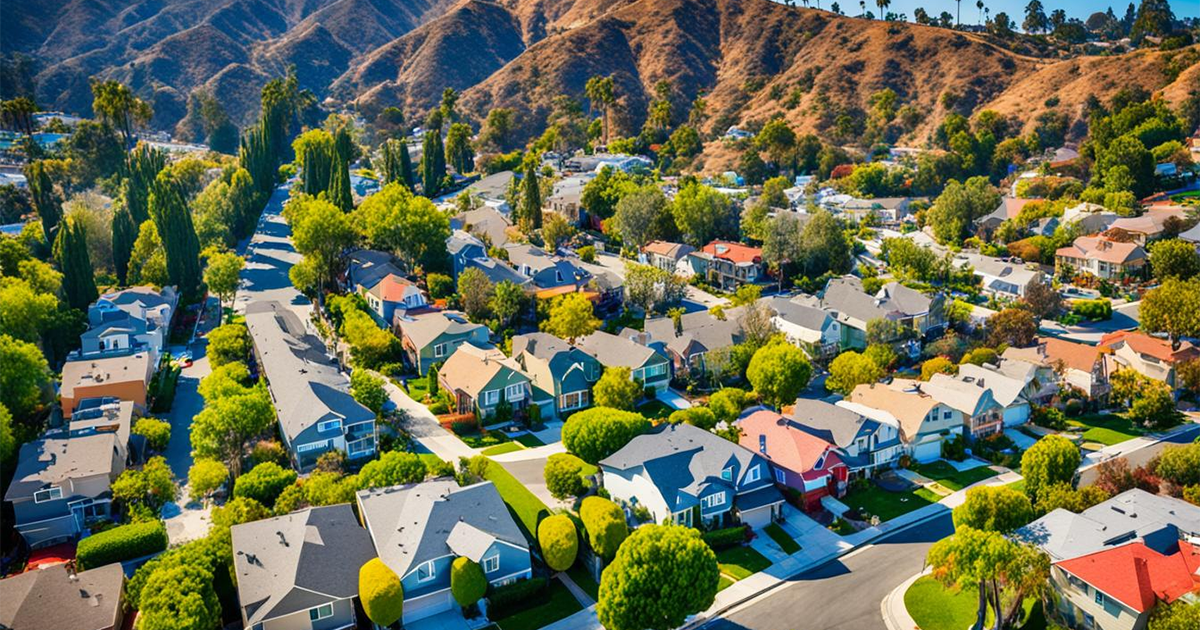
You know the feeling when you pull into a neighborhood and just exhale.
The streets are clean. Kids are riding bikes. Someone’s watering their front yard. A neighbor waves from across the street — and means it.
That feeling isn’t an accident. It’s the result of a community that actually works. And in Southern California, those communities exist — you just need to know where to look.
If you’re searching for a place where your family feels safe and genuinely at home, this one’s for you.
Safety Isn’t Just About Crime Rates — It’s About How a Place Feels
Most people start the neighborhood search by Googling crime statistics. That’s a smart move. But numbers only tell part of the story.
The neighborhoods that feel safest have something beyond low crime rates. They have active neighbors. They have streets people actually use. They have a sense that someone’s paying attention — and that people care.
In Southern California, places like Irvine’s Woodbridge, Pasadena’s San Marino, and San Diego’s Carmel Valley check both boxes. Low crime numbers, yes. But also the kind of community vibe that makes you feel like you belong there.
These are neighborhoods with active HOAs, organized block programs, and streets designed for people — not just cars. You see families out in the evening. You see kids at the park after school. That visibility matters. It creates natural accountability. And it creates the kind of street life that makes a neighborhood feel alive.
Of course, even in safe neighborhoods, smart home security doesn’t hurt. The Ring Video Doorbell is one of the most popular ways families add an extra layer of peace of mind. You see who’s at your door from anywhere — your phone, your couch, a coffee shop across town. It’s simple to install, works with Alexa, and gives you eyes on your front door even when you’re not home.
🔔 Ring Video DoorbellHD video. Two-way audio. Motion alerts sent straight to your phone. Easy DIY setup — no electrician needed. A simple upgrade for any front door.
Check price on Amazon →
Family-Friendly Neighborhoods Are Designed — Not Just Described

There’s a difference between a neighborhood that calls itself family-friendly and one that’s actually built that way.
You can tell the difference pretty quickly. Does it have sidewalks on both sides? Is there a park within walking distance? Are there places for kids to gather that aren’t just someone’s backyard?
The best family neighborhoods in SoCal are ones that made deliberate choices. Parks with actual playground equipment — not just a patch of grass. Community centers that host events people actually show up to. Schools within the neighborhood boundaries, not just nearby on a map.
Woodbridge in Irvine is a great example. It was designed around two lakes, with parks, pools, and trails connecting the whole community. You don’t have to drive anywhere to find something for your kids to do. That’s not an accident — it was planned that way from the start.
Carmel Valley in San Diego has a similar energy. It’s suburban without feeling isolated. There are restaurants, grocery stores, and community events all within easy reach of the residential streets. Your kids can grow up with space to roam — and you don’t have to go far to feel connected to the broader neighborhood.
San Marino in Pasadena is different in character — quieter, more established — but the commitment to community is the same. It’s one of the highest-rated school districts in California. The streets are lined with mature trees. And it has the kind of long-term neighbors who’ve lived there for decades and aren’t going anywhere.
Active Communities Are the Secret Ingredient Most People Overlook
Here’s something you don’t always think about until you’re living somewhere.
A neighborhood with great amenities and low crime is wonderful. But a neighborhood where people actually know each other? That’s something else entirely.
Active communities have a rhythm to them. There are events on the calendar. People show up to them. The same faces keep appearing — at the park, at the school pickup line, at the weekend farmer’s market. Over time, those familiar faces become neighbors you actually know. And neighbors you know are one of the best safety features a neighborhood can have.
Block parties, community cleanups, seasonal events — these aren’t just fun activities. They’re the mechanism through which neighborhoods build trust. And trust is what makes a community genuinely feel safe, not just statistically safe.
For families who want to stay connected even when they’re not home, a Google Nest Cam is worth knowing about. You can keep an eye on your front yard, your driveway, or your backyard — from anywhere. It sends alerts when it detects motion, stores footage automatically, and integrates with Google Home. It’s not about distrust of your neighborhood. It’s about staying connected to your home when life gets busy.
📷 Google Nest Cam (Indoor/Outdoor, Wired)2K HDR video. Night vision. Intelligent alerts for people, animals, and vehicles. Works with Google Home. Great for front yards, driveways, and backyard gates.
Check price on Amazon →
What to Actually Look For When You’re Comparing Neighborhoods

If you’re in the middle of a home search, here are the things worth paying close attention to — beyond the listing photos and the square footage.
Visit at different times of day. A neighborhood on a Tuesday morning looks different from the same neighborhood on a Saturday afternoon. Go when kids are getting out of school. Go in the evening. See who’s outside and how people use the space.
Look for walkability. Neighborhoods where people actually walk tend to have more community interaction. You meet your neighbors by accident when you’re both on foot. That builds the kind of casual familiarity that makes a neighborhood feel connected.
Check for community infrastructure. Does the neighborhood have a Facebook group or Nextdoor page? That’s a good sign that residents are engaged and communicating. Does it have a homeowners’ association with actual events? Even if HOAs aren’t your favorite thing, an active one usually signals that people are invested in where they live.
Ask about the schools directly. Not just the ratings. Ask parents in the neighborhood what they think. School culture is harder to measure than test scores — but it matters just as much for your kids’ day-to-day experience.
The Neighborhood Is Part of the Investment
When you’re buying a home in Southern California, you’re not just buying the property. You’re buying into everything around it.
The neighborhood shapes your daily life more than the floor plan does. It shapes how your kids grow up. It shapes whether you know your neighbors by name. It shapes how you feel pulling into the driveway after a long day.
Neighborhoods that prioritize safety and community tend to hold their value well over time. Families want to move in. Families want to stay. That demand is what drives long-term appreciation — not just the house itself.
So as you compare your options, zoom out a little. Look at the whole picture — not just the home, but everything the home sits inside of.
The right neighborhood makes everything easier. The commute. The school runs. The weekend mornings. The sense that you made a good decision.
In Southern California, that neighborhood is out there. You just have to know what to look for — and now you do.